Hurricane Season Is Approaching. What's Your Plan for Network Interruptions?

Hurricane season presents significant challenges for major industries, particularly those in Water/Wastewater, Oil & Gas, Utilities and Power Sectors. It is essential to have stable, secure networks to ensure continuous operations, especially during extreme weather events when the demand for uninterrupted service is critical. By implementing strategic preparations and leveraging robust wireless communication technologies, companies can mitigate risks to their network infrastructure.
At Data-Linc Group, we build the wireless modems that keep water, power, and oil and gas networks communicating when conditions turn severe. The ten practices below are the ones we see matter most in the field.
1. Conduct a Comprehensive Risk Assessment
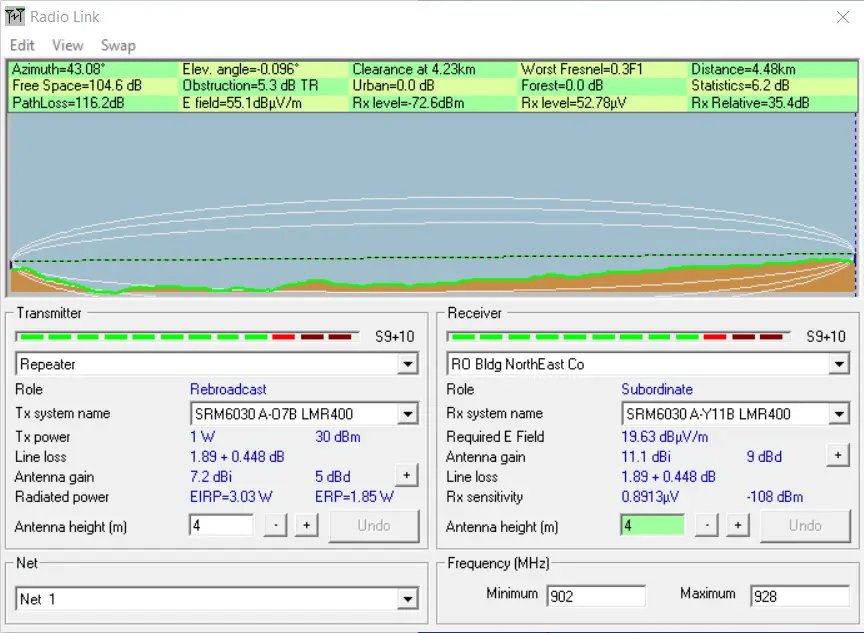
Before hurricane season starts, assess the vulnerabilities of your network infrastructure. Identify potential weak points such as exposed communication towers, substations, or critical control centers that may be susceptible to high winds, flooding, or power outages. Use this information to create a tailored disaster recovery plan that includes wireless redundancy and emergency communication protocols. If you are adding or changing radio sites, a propagation study shows which radio paths will hold up before you commit to them.
2. Deploy Robust, Reliable Wireless Modems
Traditional wired communication networks are highly susceptible to physical damage during hurricanes. Transitioning to or supplementing with robust wireless modems can offer enhanced reliability. Wireless modems designed for harsh environments are built to withstand extreme weather conditions and can ensure continued network connectivity, even when wired connections fail. These devices should be part of an overall strategy to create resilient, weather-resistant networks. The SRM8200 is a license-free 900 MHz FHSS modem with both Ethernet and serial ports, so legacy RTUs and PLCs and newer Ethernet devices can share one radio network. You own the network, so it does not depend on a carrier's towers or a monthly data plan.
3. Establish Redundant Communication Pathways
Redundancy is key to maintaining uninterrupted communication during natural disasters. Companies should create multiple communication pathways that use different technologies—such as satellite, cellular, and radio frequency (RF) wireless systems. If one pathway goes down, the others can continue to operate. Utilizing both wireless and wired systems ensures that data transmission, monitoring, and control functions remain active even in the event of infrastructure damage. Treat private radio as one independent pathway, not the only one. A 900 MHz network can run alongside cellular or satellite backhaul, so local polling and control continue even if the link to the control center drops.
4. Leverage Cloud-Based Monitoring Solutions
Cloud-based solutions enable companies to remotely monitor and manage critical infrastructure even when physical access is limited due to storm conditions. Cloud-based SCADA systems, in conjunction with wireless communication technologies, allow for real-time monitoring, data logging, and control from any location. This ensures that key operations such as water treatment, power distribution, and emergency services can be managed efficiently, even from offsite locations.
Keep control local, too. When the wide-area connection fails, a radio network between your field sites and your SCADA host keeps data flowing, and remote diagnostics let you check radio health from the control room before crews are sent out.
5. Ensure Backup Power for Communication Infrastructure
Maintaining power to communication devices is essential for keeping networks operational during a hurricane. Companies should install reliable backup power systems, such as uninterruptible power supplies (UPS) or generators, at critical nodes. Powering wireless communication equipment during an outage ensures that even when grid power is lost, the network remains operational and data continues to flow.
6. Pre-position Emergency Communication Kits
Pre-positioning emergency communication kits, which include portable wireless modems, batteries, and antennas, allows utility teams to quickly deploy backup communication systems in the field. These kits can be distributed to key locations prone to outages, ensuring that crews have the tools they need to restore communication quickly in an emergency. They provide critical backup if the primary communication system is compromised.
7. Collaborate with Local Authorities and Other Utilities
Coordination with local government agencies and neighboring utility providers can improve disaster preparedness. Utilities should be part of local emergency response planning to ensure that communication protocols are in place in the event of widespread outages. Collaborating with other utility companies also allows for the sharing of resources, such as wireless modems and backup communication tools, to minimize downtime.
8. Implement Regular Testing and Drills
Testing communication infrastructure and conducting emergency drills before hurricane season is essential to ensure that all equipment is functioning as expected. Regular drills simulate potential hurricane impacts and test the response of communication systems. These exercises help teams identify areas for improvement and ensure that both personnel and equipment are ready to handle real-world emergencies.
9. Adopt Real-time Data Analytics for Predictive Maintenance
Using real-time data analytics in conjunction with wireless modems allows utility companies to monitor the health of their networks and predict failures before they occur. Predictive maintenance solutions provide early warnings of equipment failures, enabling proactive repairs before a storm hits. This helps utilities avoid network downtime and ensures a smoother recovery process post-storm.
Conducting a physical inspection of modem and antenna installations beforehand can help prevent unnecessary downtime and save resources. Ensuring the stability of antennas and antenna towers is crucial for maintaining a clear radio line of sight across the wireless network. Modems are typically the most electrically sensitive components in a wireless network, with their internal radio modules vulnerable to damage from environmental electrical noise. Installing a lightning arrestor can help dissipate charge buildup (a typical scenario during a storm) in the modem-antenna system installed indoors or outdoors.
10. Plan for Post-Hurricane Recovery
Even with the best preparations, utility companies must have a robust plan for post-hurricane recovery. This includes deploying wireless modems and mobile communication units to restore network operations quickly in the aftermath of a storm. Recovery plans should prioritize the most critical infrastructure, such as water treatment plants and power substations, and include specific procedures for restoring wireless communications in stages. A staged approach works for rebuilding after a storm just as it does for upgrading an aging network.
Conclusion: Be Proactive, Be Resilient, Be Prepared
Utility companies providing water/wastewater, and power services face significant challenges during hurricane season. By implementing these best practices—ranging from deploying robust wireless modems to establishing redundant communication pathways and collaborating with local authorities—utilities can minimize the risk of network interruptions and maintain critical services during and after severe weather events. Leveraging wireless communication technology is a key element in building resilience and ensuring operational continuity, even in the face of the most extreme conditions. By following these steps, companies can not only protect their network infrastructure but also provide reliable service when it’s needed most.
Hurricane Readiness Checklist
Checklist (PDF)Planning storm-season upgrades?
Talk to a factory engineer about a propagation study and a staged migration plan.